The casting of Halle Bailey in “The Little Mermaid” (2023) as Ariel sparked a debate. This was evident in the two articles, “I Don’t Want a Black Ariel. Why We Shouldn’t Be Satisfied With Race Switching” by The Final Cutback and “The White Nostalgia Fueling the ‘Little Mermaid’ Backlash” by Brooke Newman. Both texts talk about the cultural issues of race switching in different ways of how they reach the audience and make arguments on the issue.
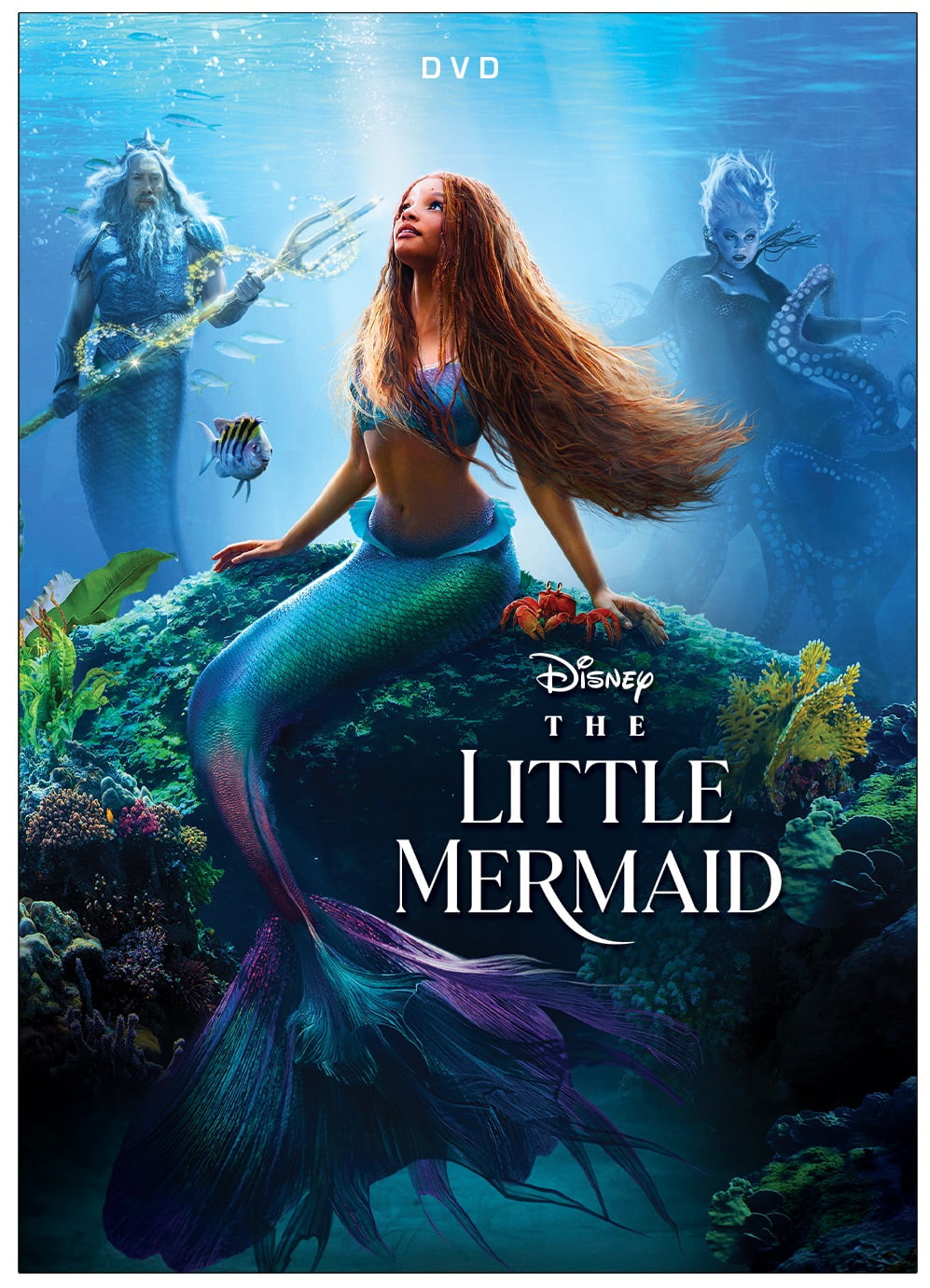
The article written by cutback shows ethos or credibility and since he is also black, his voice on this issue cannot be deemed as racist or biased. His identity gives him the right to speak on the issue and calling race switching as “cheap representation” is meant to challenge the superficial diversity effort. Newman’s article is less personal and more analytical. She doesn’t use her identity to make her argument but still aims at unpacking the racial dynamics that couple with the backlash. The lack of personal identity shifts the focus to the bigger idea about culture using historical context to support her argument.
The genre of each article naturally shapes its approach. While Cutback’s article is more personal and opinion based, it is in some ways informal and conversational seeing that it was posted on a blog. He used phrases like “I’m not a coon” and “commit sue of side” which shows that the author is trying to connect with readers that find this frustration relatable while showing humor. In contrast, Newman’s article is more formal and focused on social aspects. Her text explores the cultural issues behind the backlash through logos and studies aimed at persuading the readers. Both articles engage with the audience in their own way.
Moreover, the two target different intended and extended audiences. While cutback speaks to black readers that are confused about representation, using an informal tone and relatable references like Spider-Man: Into the Spider-Verse. It resonates with those wanting a meaningful representation rather than a half baked race swapping. On the other hand, Newman goes about addressing a broader more general audience who are critical of racism and open to discussions about implicit cultural biases and shares a thoughtful emphasis on these issues. The academic tone shows that the author expects readers to consider different evidence present when discussing the impact of representation. It seemed to be aimed at a bigger audience including white people who may not understand the harmful impacts of not allowing representation and are being informed of the consequences of implicit biases. There is a reference to the Brown v. Board education case which appeals to logos making her argument historically true.
Both articles respond to growing concerns about representation, diversity, and race in Hollywood, especially surrounding Bailey’s casting. Cutback expresses frustration with half baked representation arguing that race switching is a “quick and cheap way to satisfy us.” He stresses that simply changing the race does not address the bigger problem of representation in mainstream media. Meanwhile, Newman accentuates the cultural and historical roots of the backlash highlighting the controversy in a larger encompass of ‘White Nostalgia’ and the threat against audiences nostalgic memories of white dominant media representation.
Moreover, Cutback argues that instead of superficial representation, filmmakers should address originally black character demands in stories as he states, “ Give us that new original content!” Newman in her article criticizes the racial motivations behind the backlash to Bailey’s casting while highlighting larger cultural impacts. Her goal was to defend Bailey’s casting and to promote diversity and inclusiveness for the young generation.
As a reader, I am more drawn to Cutback’s argument. Although Newman presents logical arguments and historical context which make a compelling case about bigger societal impacts of representation. Cutback truly tackles the complexities of representation with his ideas. I really appreciate the author’s frustration with the need for deeper narratives as it actually gives people of color a real chance at representation in the media while representing their original background. Overall, Both challenge us to think critically about what representation truly means and how it should develop moving forward.

This entry is licensed under a Creative Commons Attribution-NonCommercial-ShareAlike 4.0 International license.

